你要买什么
?

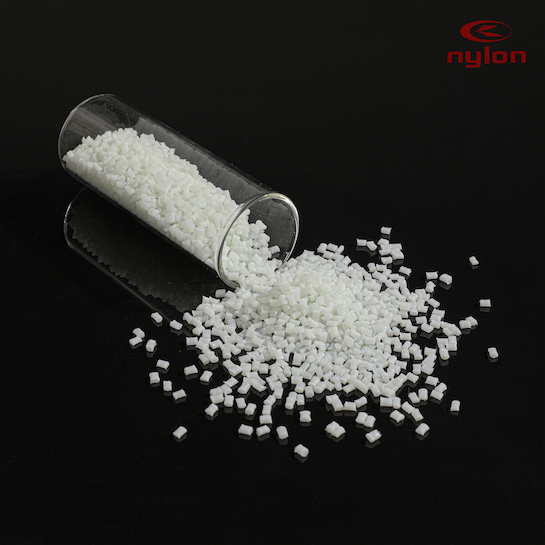
Industrial manufacturing faces continuous price shifts in polymer raw materials. Fluctuations in upstream feedstocks, such as Caprolactam for Polyamide 6 (PA6) and Adiponitrile for Polyamide 66 (PA66), directly impact global engineering supply chains. Design teams must select polymers that offer structural reliability without driving up production budgets. As a certified High Quality 30% Glass Fiber Reinforced Nylon 6 Supplier, industry experience demonstrates that material selection requires a balance between thermal limits, mechanical load, and procurement costs. Replacing over-specified materials with economically viable alternatives requires thorough technical evaluation. Engineers who analyze specific operating environments can prevent premature field failures while reducing unnecessary material expenses.
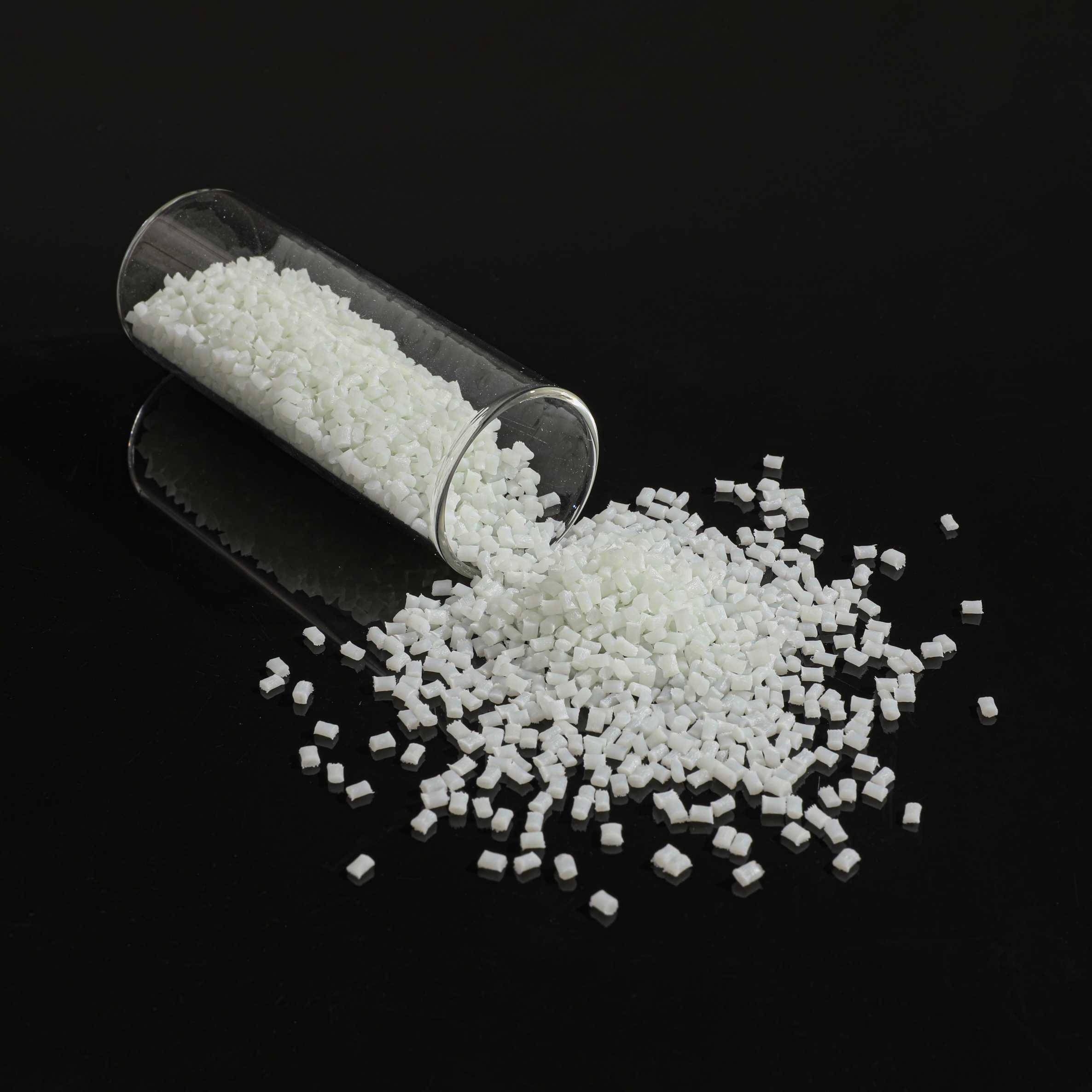
Global supply chain dynamics continually force engineering teams to re-evaluate polymer choices. Caprolactam, the primary precursor for PA6, features a broad global supplier base and relatively stable production economics. Conversely, Adiponitrile and hexamethylenediamine, essential feedstocks for PA66, experience frequent supply bottlenecks and sharper cost spikes. Consequently, procurement costs for PA66 resins remain higher and less predictable than those for PA6.
However, selecting an engineering resin solely based on unit price creates hidden risks during long-term operation. Over-specifying a component by defaulting to PA66 GF30 when PA6 GF30 satisfies all mechanical requirements adds unnecessary costs across high-volume production cycles. Conversely, under-specifying a material in high-temperature environments leads to thermal deformation and system failure. Achieving long-term profitability and component integrity demands an objective selection framework based on empirical testing data rather than traditional procurement habits.
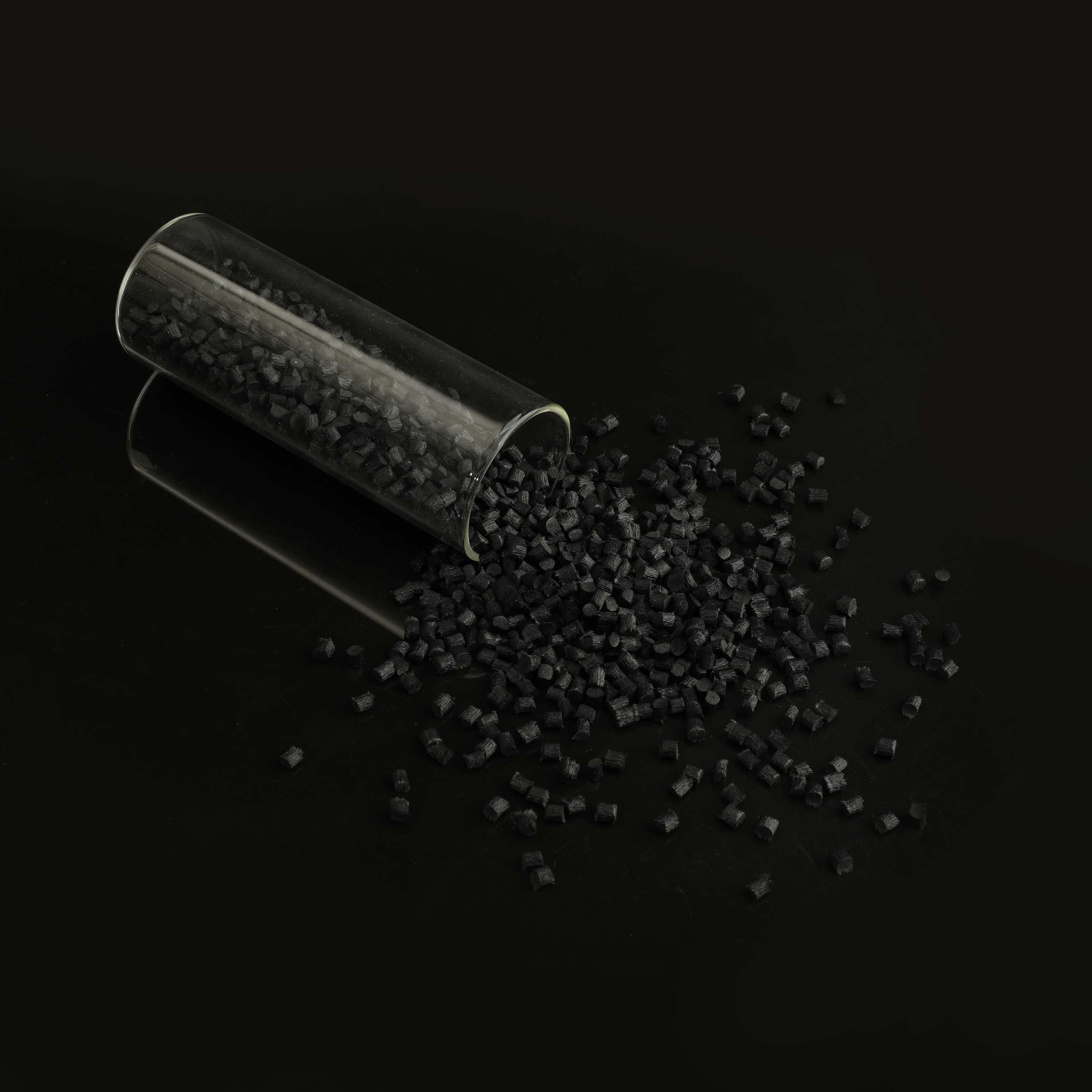
Evaluating 30% glass fiber reinforced polyamides requires an analysis of core physical parameters under identical test conditions. Incorporating 30% short glass fibers into polyamide matrix resin significantly raises tensile strength, flexural modulus, and heat deflection temperatures compared to neat polymers. However, structural differences between the PA6 and PA66 polymer chains create distinct performance profiles.
Mechanical Strength and Modulus Metrics
Both PA6 GF30 and PA66 GF30 exhibit impressive mechanical baseline properties. Typical tensile strength values for these compounds range between 140 MPa and 185 MPa in the dry-as-molded state. Similarly, flexural modulus values fall between 8,500 MPa and 9,500 MPa. While PA66 GF30 retains slightly higher rigidity at elevated temperatures, PA6 GF30 demonstrates comparable load-bearing capabilities under standard ambient operating conditions.
Thermal Deflection and Heat Aging Resistance
Thermal capabilities represent a primary technical separator between the two polyamides. Under a heavy mechanical load of 1.8 MPa, PA66 GF30 typically achieves a Heat Deflection Temperature (HDT) of approximately 245°C to 250°C. In comparison, PA6 GF30 offers an HDT range between 205°C and 215°C. For continuous operating temperatures exceeding 150°C, PA66 GF30 maintains structural integrity over long durations. Nonetheless, PA6 GF30 provides reliable thermal performance for intermediate temperature envelopes below 130°C.
Moisture Absorption and Dimensional Behavior
Hydrodynamics significantly influence long-term dimensional stability. PA6 contains a higher density of amide groups per carbon chain length than PA66, resulting in higher moisture absorption rates. At equilibrium in standard atmospheric environments, PA6 GF30 absorbs approximately 2.5% to 3.0% moisture by weight, whereas PA66 GF30 absorbs roughly 1.8% to 2.2%. Moisture intake acts as a plasticizer, slightly lowering mechanical strength while increasing impact resistance. Engineers must account for post-molding shrinkage and moisture expansion when designing precision components with tight tolerance requirements.
Rheology and Processing Window Differences
Processing characteristics directly influence manufacturing cycle times and mold longevity. PA6 features a lower melting point around 220°C and lower melt viscosity compared to PA66, which melts near 260°C. The higher fluidity of PA6 GF30 allows injection molders to operate at lower barrel temperatures and reduced injection pressures. Consequently, PA6 GF30 flows smoothly into intricate mold cavities and thin-walled geometry, reducing energy consumption and minimizing tool wear over high-volume production runs.
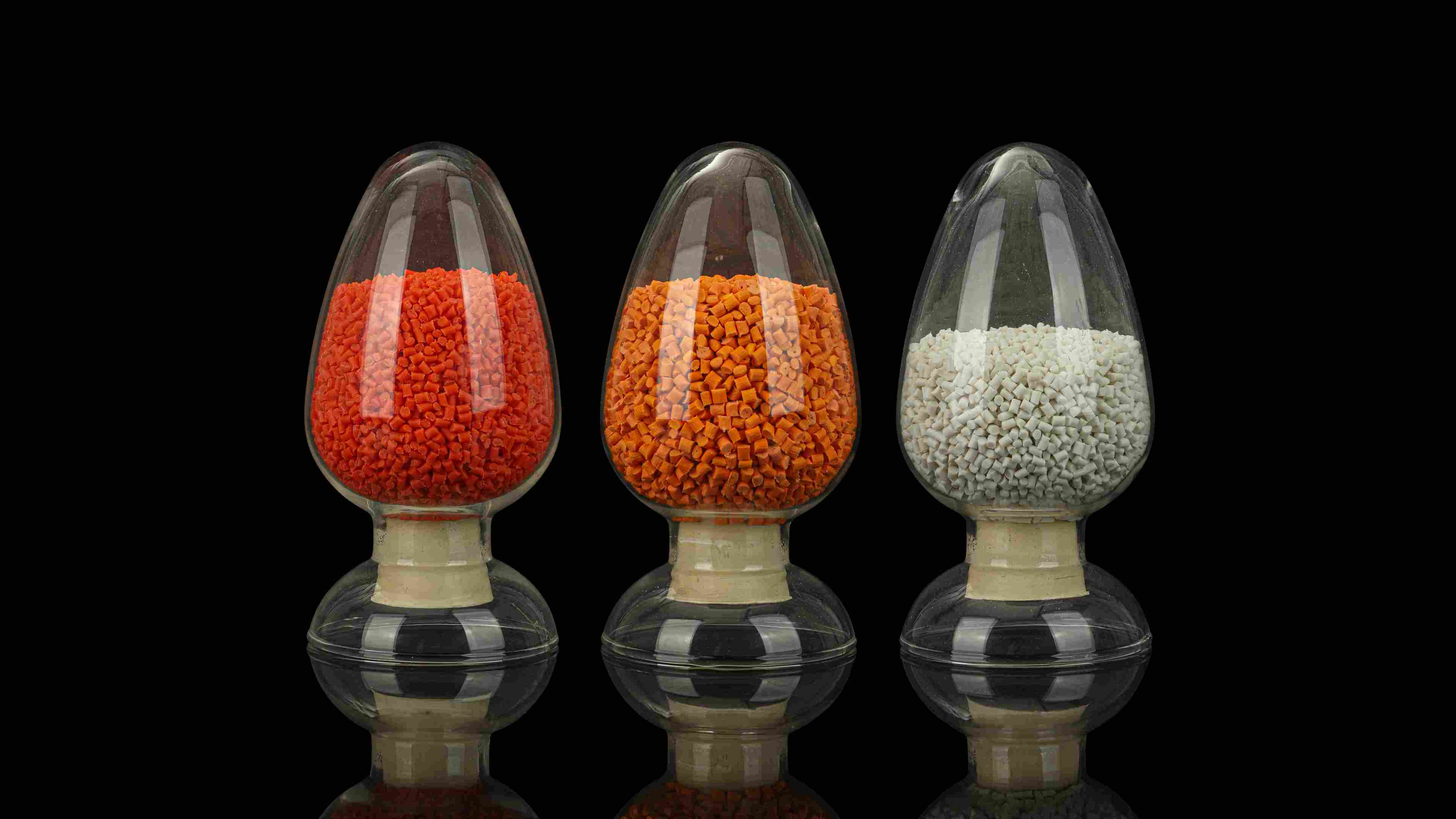
Mapping material properties to real-world operational demands clarifies the decision-making process. Component designers should evaluate three primary factors: peak operating temperature, continuous mechanical exposure, and total production volume.
Automotive Engineering Applications
Automotive structural design relies heavily on reinforced polyamides to achieve weight reduction and durability. In high-heat engine compartments, PA66 GF30 serves as the preferred resin for intake manifolds, engine covers, and radiator end tanks, where exposure to continuous ambient heat exceeds 140°C. Conversely, PA6 GF30 excels in exterior structural brackets, door handle assemblies, and pedal modules. Furthermore, PA6 GF30 provides superior surface appearance, eliminating fiber read-through on visible components while reducing injection molding cycle times. Specialized compounds find extensive utility across automotive and industrial parts manufacturing environments.
Industrial Equipment and Power Tools
Industrial equipment components, such as gear housings, belt pulleys, handles, and electrical enclosures, operate under continuous dynamic stress. PA66 GF30 provides necessary rigidity for heavy-duty drive gears subjected to high continuous frictional heat. However, PA6 GF30 offers superior energy absorption upon impact, making it ideal for hand-held power tool casings and structural housings exposed to drop risks and vibration.
Home Appliances and Consumer Products
Washing machine structural frames, pump housings, and internal support brackets benefit greatly from the cost profile of PA6 GF30. Because internal appliance temperatures rarely exceed 90°C, PA6 GF30 fulfills structural stiffness and creep resistance requirements without adding unnecessary resin costs.
The Cost-to-Performance Evaluation Rule
Engineers can successfully transition from PA66 GF30 to PA6 GF30 when maximum operating temperatures remain below 130°C and dimensional tolerance windows allow for minor moisture relaxation. This substitution reduces resin procurement costs by 15% to 25% while maintaining critical structural safety margins.
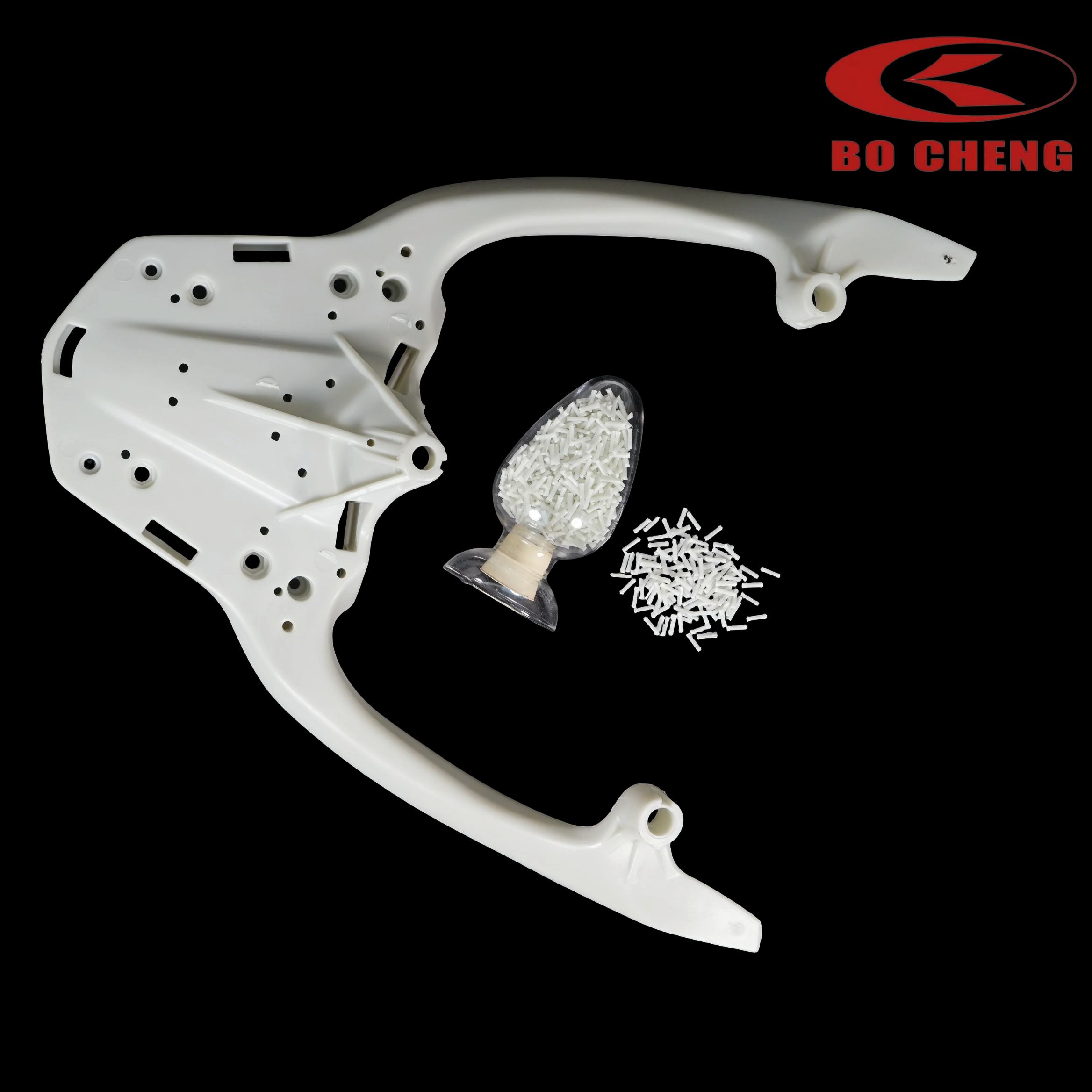
Navigating material selection requires experienced compounding partners who understand raw polymer behavior and glass reinforcement mechanics. Advanced processing techniques allow custom compounding specialists to bridge performance gaps between standard PA6 and PA66 formulations.
Precision Glass Fiber Dispersion
The technical team at BOCHENG (Xiamen Bocheng Plastic Materials Co., Ltd) utilizes twin-screw compounding systems equipped with specialized screw configurations. This equipment ensures uniform glass fiber distribution while preserving optimal glass fiber length retention within the polymer matrix. Superior fiber-matrix adhesion maximizes tensile modulus and impact performance, ensuring consistent lot-to-lot structural reliability.
Customized Property Modifications
Standard resin grades cannot solve every engineering challenge. Custom compounding capabilities enable the addition of specialized property modifiers:
l Heat aging stabilizers to extend continuous working temperatures in thermal environments.
l Flame retardant packages compliant with UL94 V-0 safety standards.
l Hydrolysis-resistant additives for long-term exposure to automotive coolants and hot water.
l UV stabilizers and custom color matching to meet precise aesthetic specifications.
Rigorous Quality Management and Compliance
Maintaining consistent quality requires strict operational controls. Xiamen Bocheng Plastic Materials Co., Ltd operates under ISO 9001 and IATF 16949 quality management frameworks. Every batch undergoes comprehensive laboratory testing, including melt flow indexing, tensile testing, ash content analysis, and moisture determination. Raw materials comply fully with RoHS and REACH environmental regulations, providing global manufacturers with total compliance assurance.
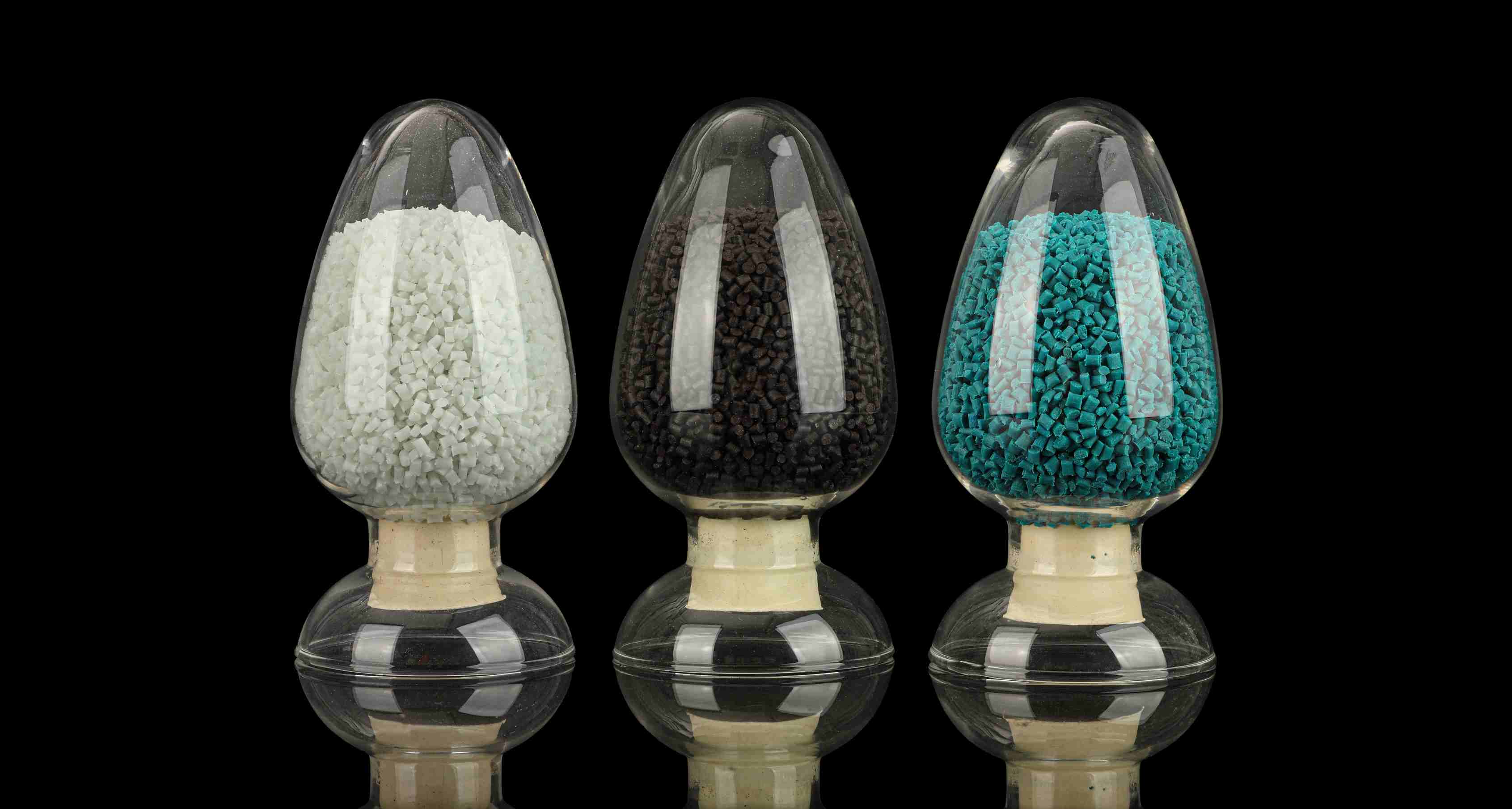
Choosing between PA6 GF30 and PA66 GF30 involves a balanced evaluation of thermal exposure, mechanical demands, and economic objectives. While PA66 GF30 remains indispensable for extreme thermal conditions, PA6 GF30 presents an exceptionally efficient solution for a vast majority of structural applications across the automotive, industrial, and appliance sectors.
Strategic material selection enables engineering teams to optimize component performance without exceeding budgetary constraints. By partnering with experienced compounding experts, OEMs and tier-1 suppliers gain access to tailored resin formulations, comprehensive technical datasheets, and reliable global delivery schedules.
To review detailed material technical data sheets, request custom sample formulations, or schedule a cost-optimization engineering evaluation, visit https://www.pa6-pa66.com/.