




特色产品

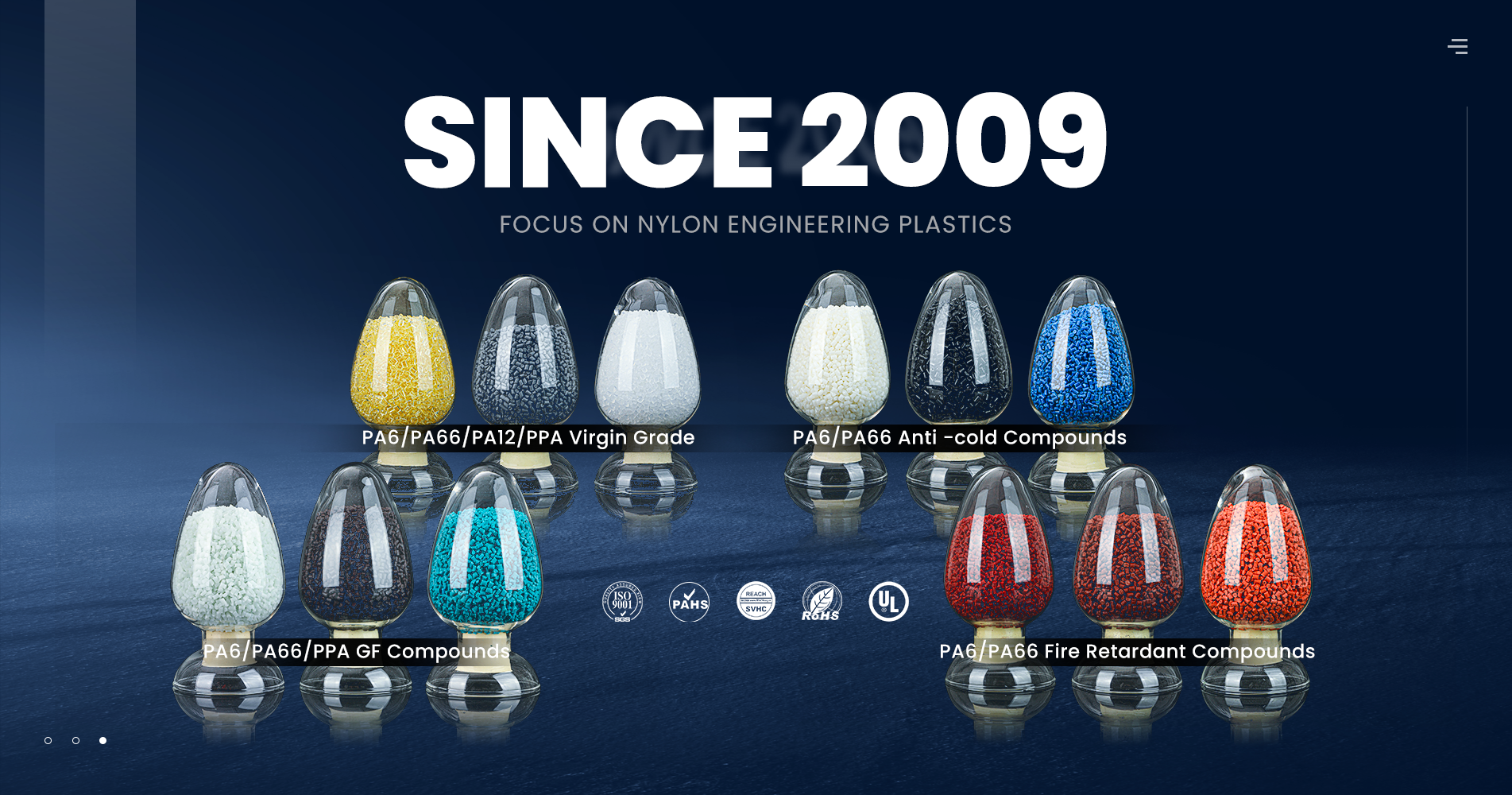
我们专注于尼龙PA6、PA66增强、增韧、导热、耐热、阻燃等特种改性塑料的生产、研发及应用。
  • PA66 Resin
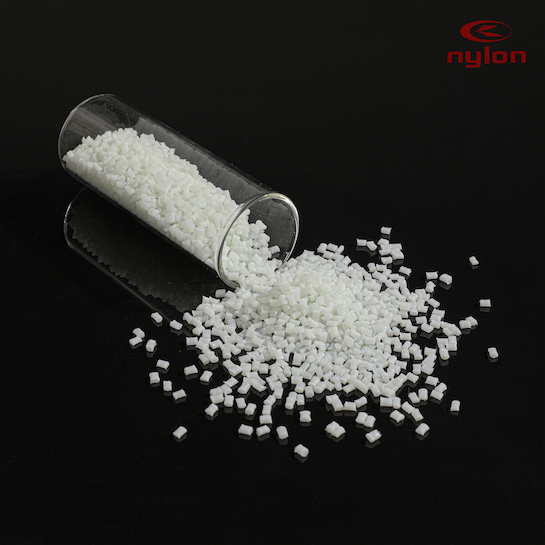
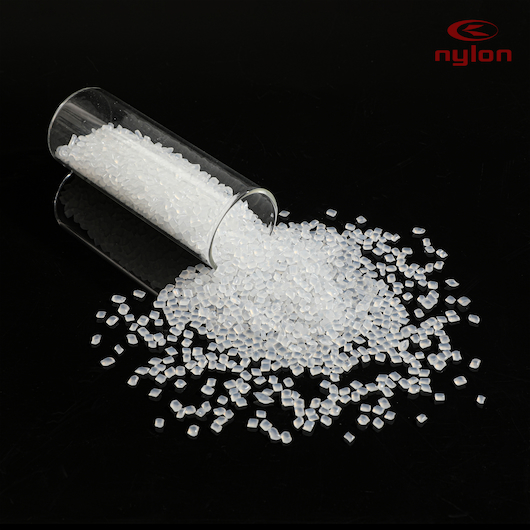
    PA66 EPR27 原生级高抗冲改性尼龙 66

    优质原生级尼龙 PA66: 采用 EPR27 配方的高品质未改性聚酰胺 66 (PA66) 树脂,确保一致性和卓越性能。 主要应用: 非常适合汽车零件、电子设备、电动工具和工业齿轮。 厂家直供: 可定制选项以满足特定的处理和性能要求。

  • Molding Process Glass Fiber Reinforced Material
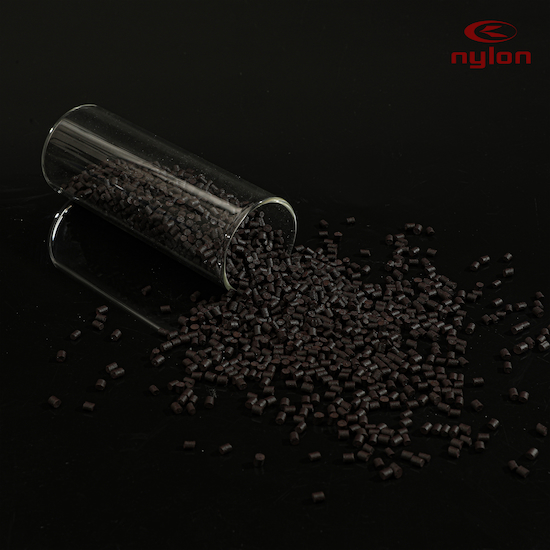
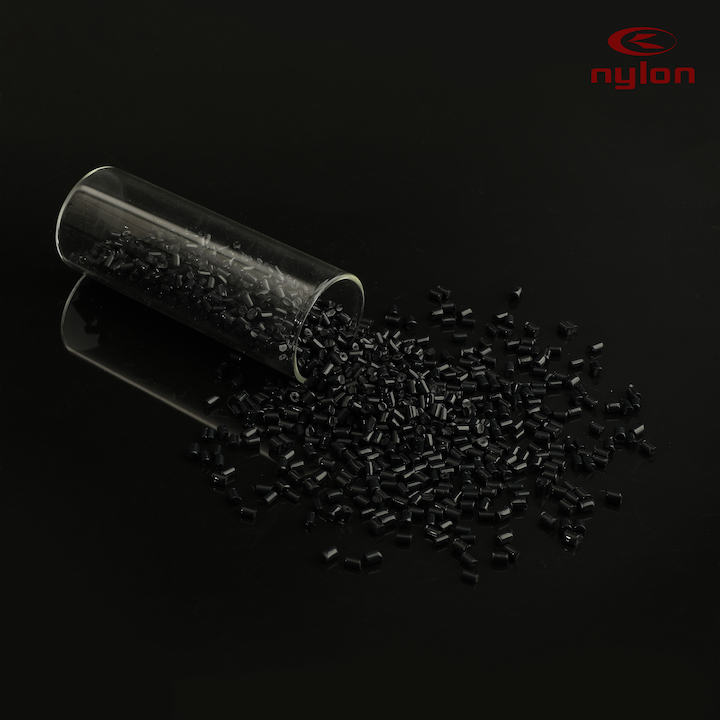
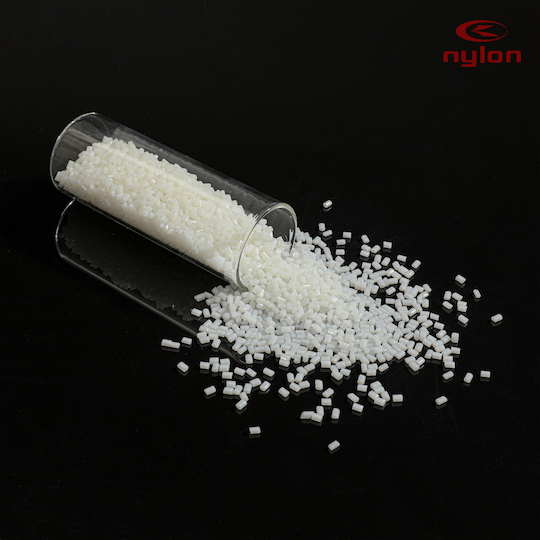
    PA6 GF30 本色/黑色高强度玻璃纤维材料

    注塑级 PA6 GF30 材料,添加 30% 玻璃纤维增​​强,增强强度、刚度和抗冲击性。有自然色和黑色可供选择,适用于各种工业应用。非常适合汽车零部件、电子设备、电动工具和工业设备,确保在高压条件下保持一致的性能。厂家直供,可定制配方,满足各种应用需求。

  • Engineering Plastic for High Performance
    PA66 GF30 玻璃纤维增​​强材料,增强强度和耐用性

    注塑级 PA66 GF30 材料,采用 30% 玻璃纤维增​​强,提高拉伸强度、刚度和抗冲击性。非常适合汽车零部件、电子设备、电动工具和工业设备,确保在苛刻的环境下实现卓越的性能。厂家直接供应,提供可定制选项,满足不同的应用需求。

  • 30% Glass Fiber Reinforced PA6
    PA6 GF30 FR V0 高强度阻燃玻纤增强材料

    注塑级 PA6 GF30 FR V0 材料,采用 30% 玻璃纤维增​​强,具有出色的强度和刚度。符合 UL94 V-0 认证的阻燃剂,为安全关键应用提供出色的耐火性。非常适合汽车零部件、电子设备和工业设备,确保在高温下可靠的性能。厂家直接供应,可定制配方,满足不同的应用需求。

  • PA66 GF30 FR V0 Supplier
    PA66 GF30 FR V0阻燃玻纤增强材料

    注塑级 PA66 GF30 FR V0 材料,采用 30% 玻璃纤维增​​强 以增强强度和刚度。 阻燃等级达到 UL94 V-0确保关键应用中的高水平防火安全。 适用于汽车零部件、电子设备和工业设备,在极端条件下提供可靠的性能。 厂家直供,可定制配方 满足各种行业需求。

  • Cold Weather Flexibility
    PA6防寒材料,耐用耐寒

    注塑级 PA6 材料,专为低温环境下的卓越耐寒性和耐用性而设计。非常适合汽车零部件、户外设备和需要在极寒环境下提供可靠性能的工业应用。厂家直接供应可定制配方,满足特定的应用需求。

  • Industrial Tools for Extreme Climates
    PA66防寒材料 高抗冲击性

    高性能耐寒尼龙PA66: 特殊配方,在低温环境下保持灵活性、抗冲击性和结构完整性。 主要应用: 非常适合用于汽车部件、电子设备、户外设备以及处于极寒环境下的工业部件。 厂家直供: 可定制的材料配方,以满足特定的性能和加工要求。

  • Nylon 6 YH800 Grade
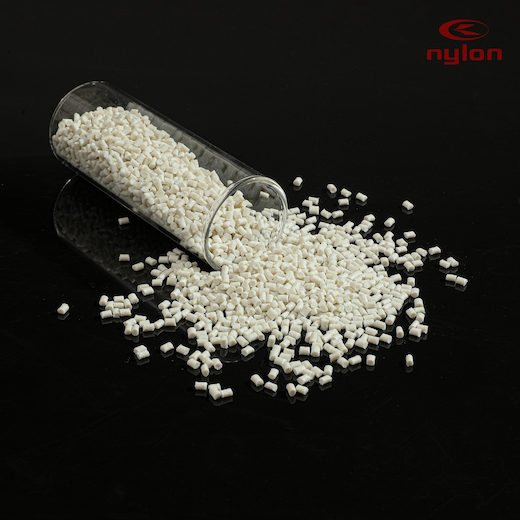
    PA6 YH800 原生级高性能尼龙 6 树脂

    优质原生级尼龙 PA6: 采用 YH800 配方的高品质未改性聚酰胺 6 (PA6) 树脂,确保一致的性能和卓越的耐用性。 主要应用: 非常适合汽车零件、电子设备、电动工具和工业部件。 厂家直供: 可定制以满足特定的处理和性能要求。

关于 Bocheng
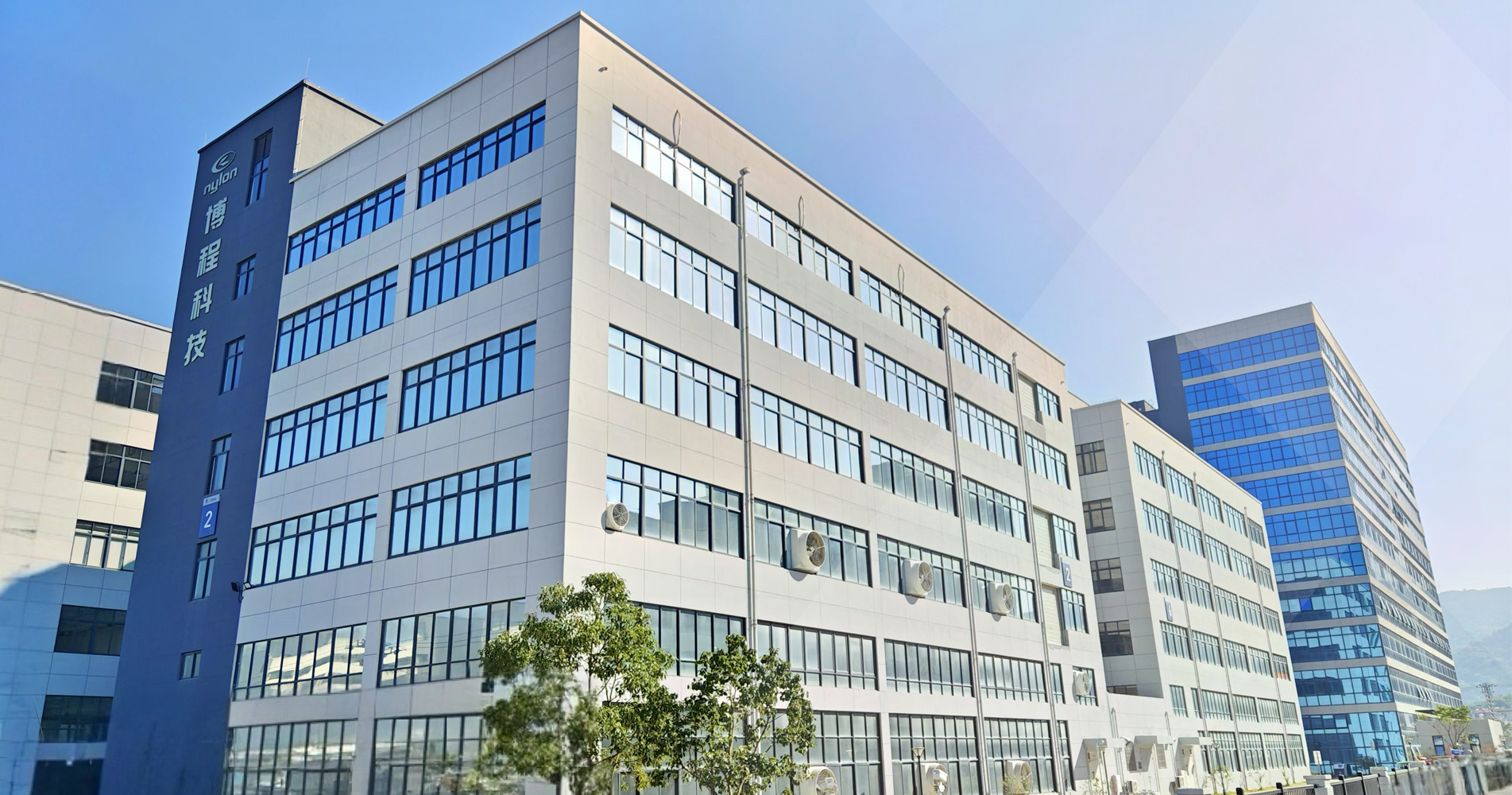
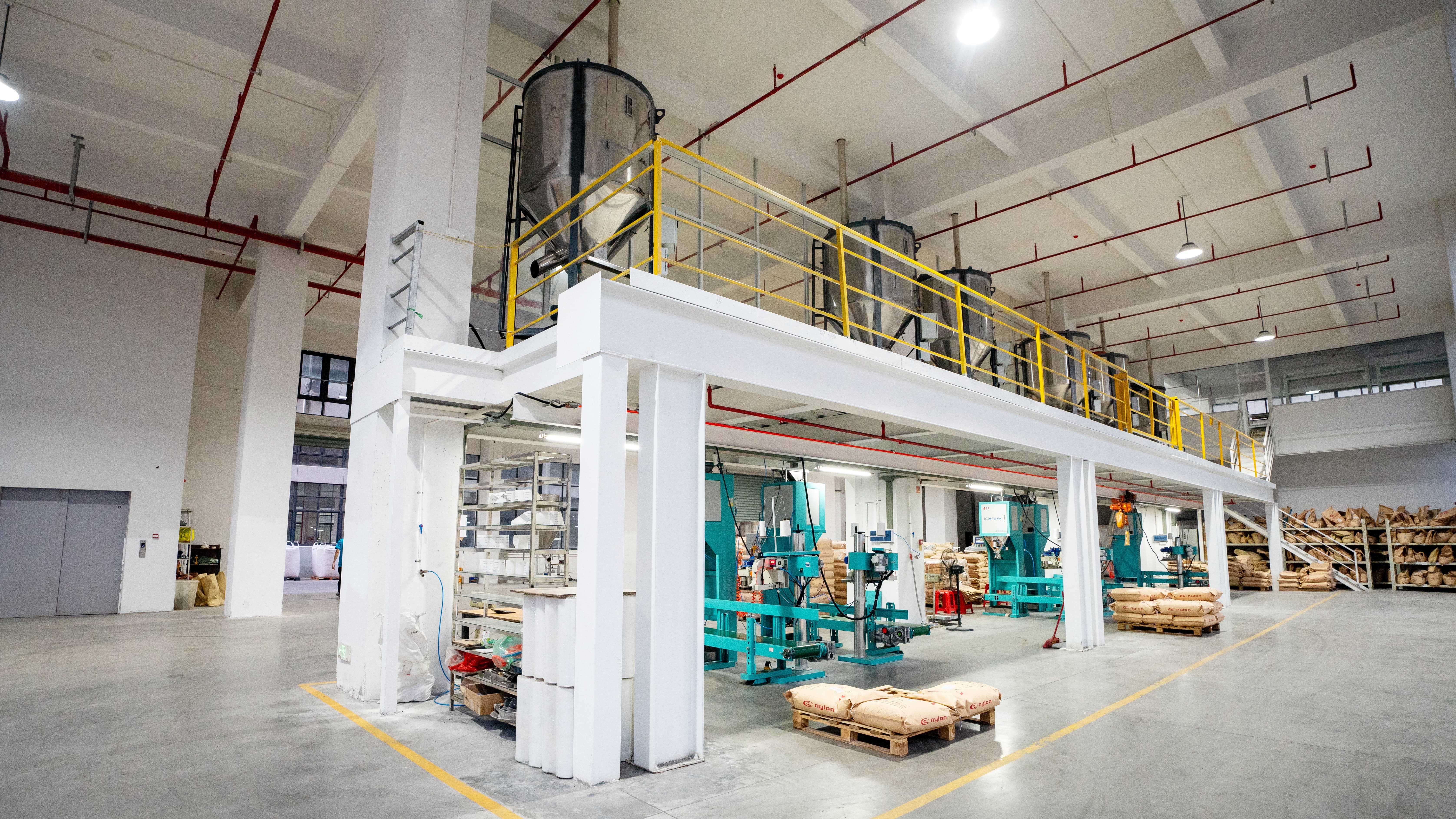
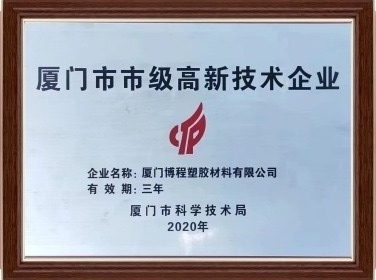
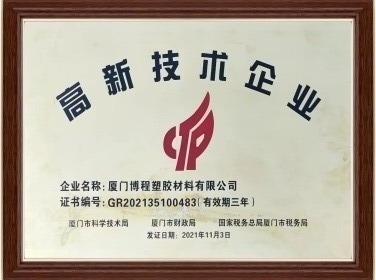
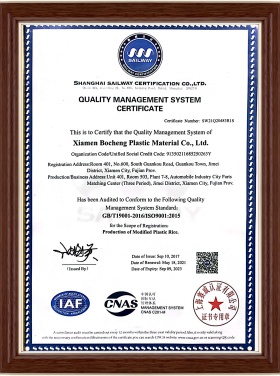
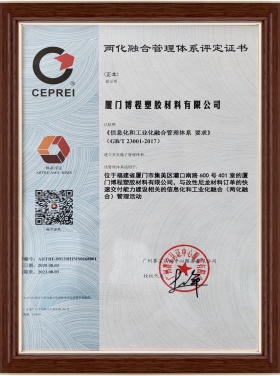
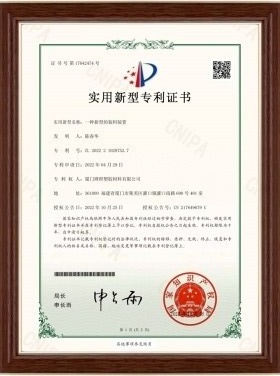
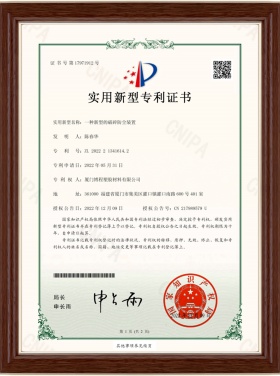
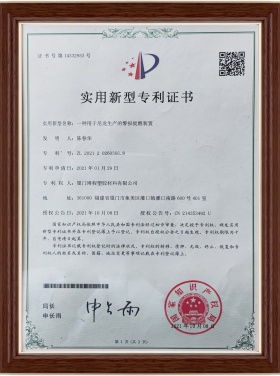
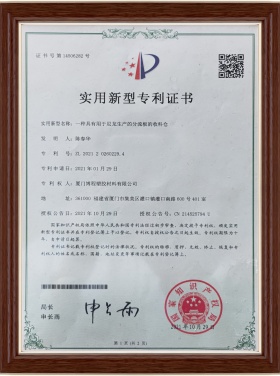
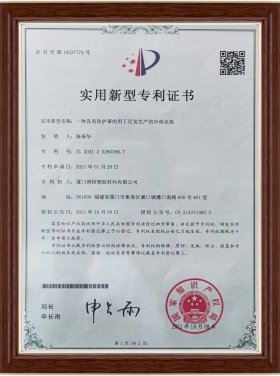
厦门博程塑胶材料有限公司是一家领先的现代化生产企业,成立于2009年,位于中国厦门经济特区。作为一家致力于技术创新和追求卓越的公司,我们集高性能塑胶材料领域的研发、生产和销售于一体。多年来,我们已成为业内值得信赖的品牌,并荣获多项荣誉,包括厦门市高新技术企业、国家高新技术企业和综合标准化企业。
  • 已确立的
    0

    成立

  • 体验
    0

    出口国

尼龙专业制造商

“为满足客户需求和产品质量提供有力的保障。”

最新消息和博客

随时了解我们公司的最新资讯和见解。我们的博客涵盖行业趋势、产品创新以及专家对尼龙材料等内容的见解。
  • 22 January 2026
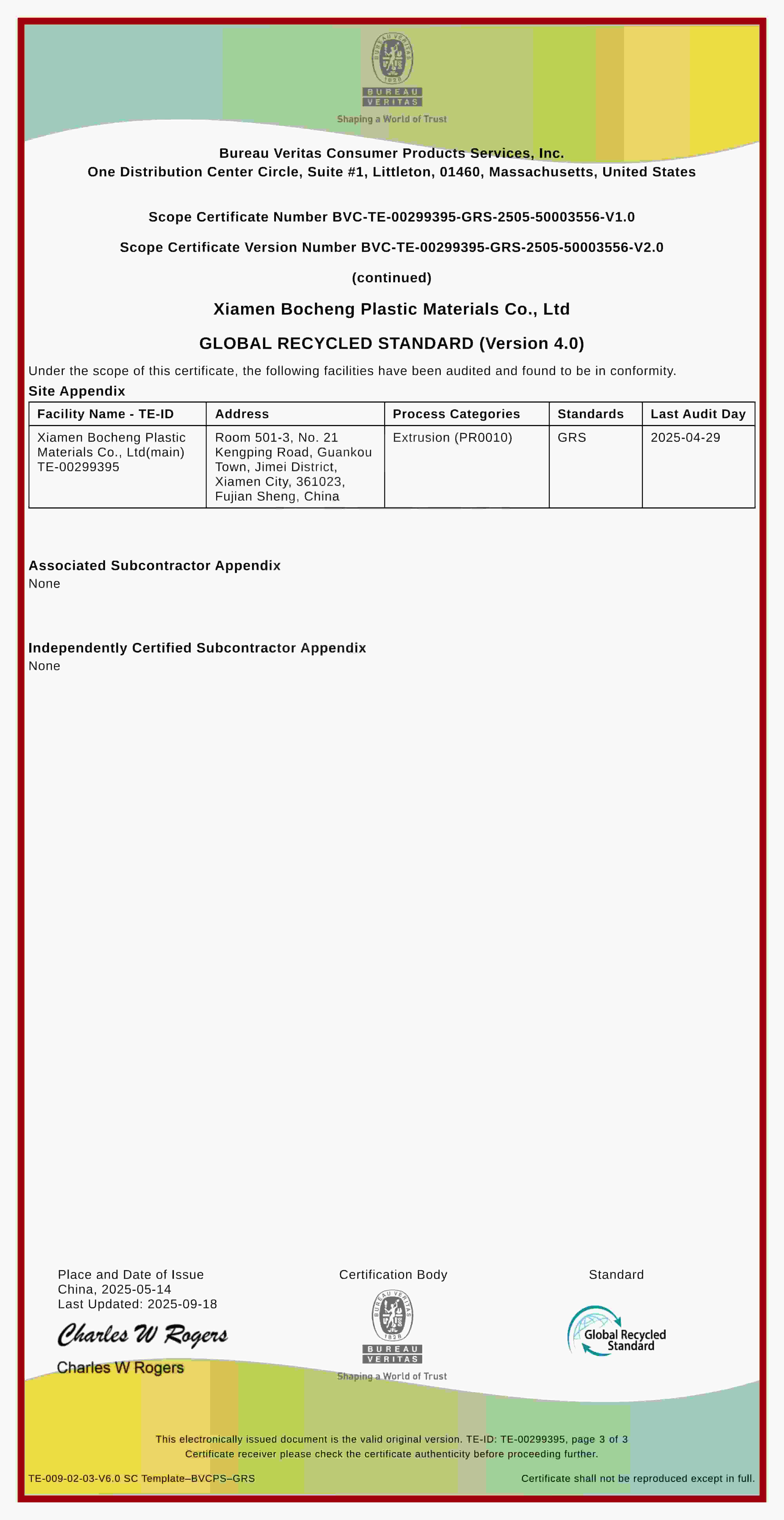
    Bocheng Achieves GRS Certification

    Xiamen Bocheng Plastic Materials Co., Ltd. has successfully obtained Global Recycled Standard (GRS) certification, audited and issued by Bureau Veritas under GRS Version 4.0. This certification confirms that our production facility and extrusion processes meet internationally recognized requirements for recycled material traceability, environmental management, and responsible manufacturing practices. It further strengthens our capability to supply GRS-compliant recycled plastic materials to global customers with sustainability and compliance requirements. With GRS certification in place, Bocheng continues to support customers in developing reliable, traceable, and sustainable material solutions for international markets.  
  • 16 January 2026
    我们正式推出碳纤维增强尼龙系列!!!

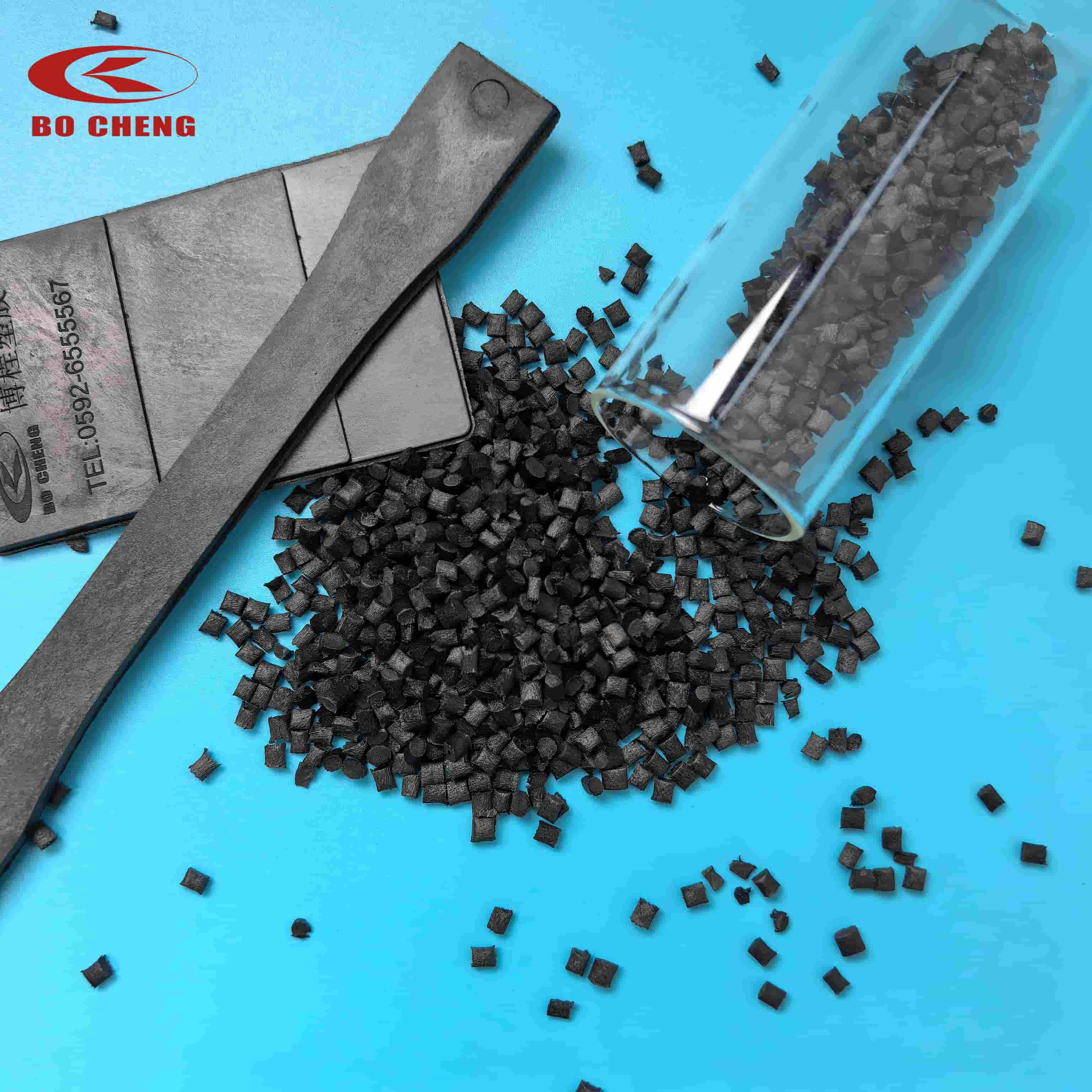
    为了更好地满足市场对轻质、高强度、高性能工程塑料日益增长的需求,我们很高兴地宣布正式推出我们的 碳纤维增强材料产品系列这一全新产品组合扩展了我们的材料供应范围,并为客户提供更具针对性的解决方案,以满足严苛的工业应用需求。 新推出的系列产品涵盖多种尼龙基体,包括 PA6、PA66、PA12、PP、PA612 和 PPA结合 不同的碳纤维增强比例通过精确的配方控制和稳定的复合工艺,这些材料在机械强度、刚度、耐热性和尺寸稳定性之间实现了有效的平衡,使其适用于结构和功能部件。此次碳纤维材料系列的推出体现了我们对碳纤维材料的持续承诺。 材料创新、稳定的质量控制和应用导向型开发我们将根据客户反馈和应用验证不断改进这些产品,以确保可靠的性能和长期稳定的供应。如需更多信息或技术支持,请联系我们的团队。

  • 29

    2026-01

    Is Higher Glass Fiber Content Always Better? An Analysis of Mold Life Issues Caused by Over-Reinforcement Section2

    Processing data indicate that, under identical tooling and processing conditions, PA66 GF40 exhibits a mold wear rate 1.6–1.8 times higher than GF30, particularly in high-flow regions. Additionally, high glass fiber systems demand higher injection pressure and speed, further intensifying abrasive effects. Beyond mechanical abrasion, excessive reinforcement also accelerates thermal fatigue of molds. Reduced thermal uniformity causes larger temperature gradients per molding cycle, increasing micro-crack initiation risks, especially in standard H13 or P20 tool steels. Industrial experience shows that many failures originate not from insufficient material strength, but from over-reliance on high glass fiber content. In one connector application, increasing fiber content from GF35 to GF50 reduced mold life from an expected 800,000 cycles to less than 300,000 cycles, increasing hidden manufacturing costs by over 20%. Ultimately, glass fiber content selection is a balance between structural performance, processing stability, and manufacturing economics rather than a pursuit of maximum reinforcement.

    阅读更多
  • 29

    2026-01

    Is Higher Glass Fiber Content Always Better? An Analysis of Mold Life Issues Caused by Over-Reinforcement Section1

    In engineering plastic selection, glass fiber reinforced nylon is often equated with higher strength, lower deformation, and improved reliability. During early project stages, design teams frequently assume that increasing glass fiber content is a straightforward solution: if GF30 is insufficient, then GF40 or even higher grades are considered. However, real manufacturing experience increasingly shows that excessive reinforcement introduces underestimated systemic risks, particularly related to mold wear, processing instability, and long-term production cost escalation. In an automotive electronic housing project, PA66 GF30 was initially selected. Due to deformation risks under high-temperature vibration, the glass fiber content was increased to GF40. While flexural modulus improved by approximately 25% and thermal expansion was further reduced, severe mold wear appeared within six months of mass production. Gate and cavity surfaces degraded rapidly, leading to surface defects and premature mold refurbishment, ultimately delaying delivery schedules. From a material mechanics perspective, glass fiber does not provide linear benefits beyond certain thresholds. As fiber content exceeds 30–40%, fiber-to-fiber interaction increases significantly. During high-shear injection molding, insufficiently resin-coated fiber ends repeatedly contact mold steel surfaces, producing a micro-cutting wear mechanism. This wear accumulates progressively and concentrates in gates, runners, and thin-wall regions.

    阅读更多
  • 21

    2026-01

    Why Does PA66 Fail More Easily Than PPA in Certain High-Temperature Electrical Applications? Section2

    Moisture absorption is another factor that is frequently underestimated. Even in glass fiber reinforced or flame-retardant grades, PA66 retains a higher equilibrium moisture content than semi-aromatic polyamides. In electrical environments, absorbed moisture does more than cause dimensional change; under an electric field, it contributes to conductive path formation, accelerating the decline in volume resistivity. This explains why PA66 components may perform well in dry-state testing but approach critical limits after hydrothermal aging. PPA behaves differently due to its semi-aromatic molecular structure. The introduction of aromatic rings restricts chain mobility and stabilizes the polymer network at elevated temperatures. As a result, PPA generally exhibits more stable electrical properties during long-term thermal exposure. Its lower moisture absorption further slows performance degradation in humid conditions. Engineering test data reflects this trend. After 1000 hours of aging at 150°C, glass fiber reinforced PA66 often shows a pronounced drop in volume resistivity, sometimes exceeding one order of magnitude. Under comparable reinforcement conditions, PPA compounds typically exhibit more moderate and controllable degradation. Similar tendencies can be observed in CTI performance. This does not imply that PA66 is unsuitable for high-temperature electrical applications. The challenge lies in correctly defining its application limits. When long-term thermal exposure, electrical stress, and high reliability requirements coexist, the safety margin of PA66 becomes narrower. The advantage of PPA lies not in peak performance values, but in its stability over the entire service life.

    阅读更多

留言

留言
如果您对我们的产品感兴趣并想了解更多详细信息,请在此处留言,我们会尽快回复您。
提交

产品

WhatsApp

接触