你要买什么
?

The automotive sector is undergoing a profound engineering transformation driven by electrifying drivetrains and downsizing internal combustion engines. Vehicle power density continues to rise rapidly, which concentrates significant thermal energy within compact engine bays and electric drive housings. Consequently, automotive design engineers face mounting pressure to identify structural polymers that maintain long-term mechanical strength under severe heat. Traditional metals once dominated these high-load areas, but their high weight and manufacturing complexity conflict with modern fuel economy and battery range goals. Engineering thermoplastics offer a compelling alternative by combining lightweight properties with the design flexibility of injection molding. However, conventional materials often reach their thermal limits when continuous operating temperatures exceed 150 degrees Celsius. To solve this challenge, material specifiers frequently evaluate specialized High-Temperature Polyamides for Automotive Parts to ensure vehicle safety and durability. Selecting between established aliphatic nylons and advanced semi-aromatic polymers requires a thorough understanding of thermal, chemical, and structural performance metrics.
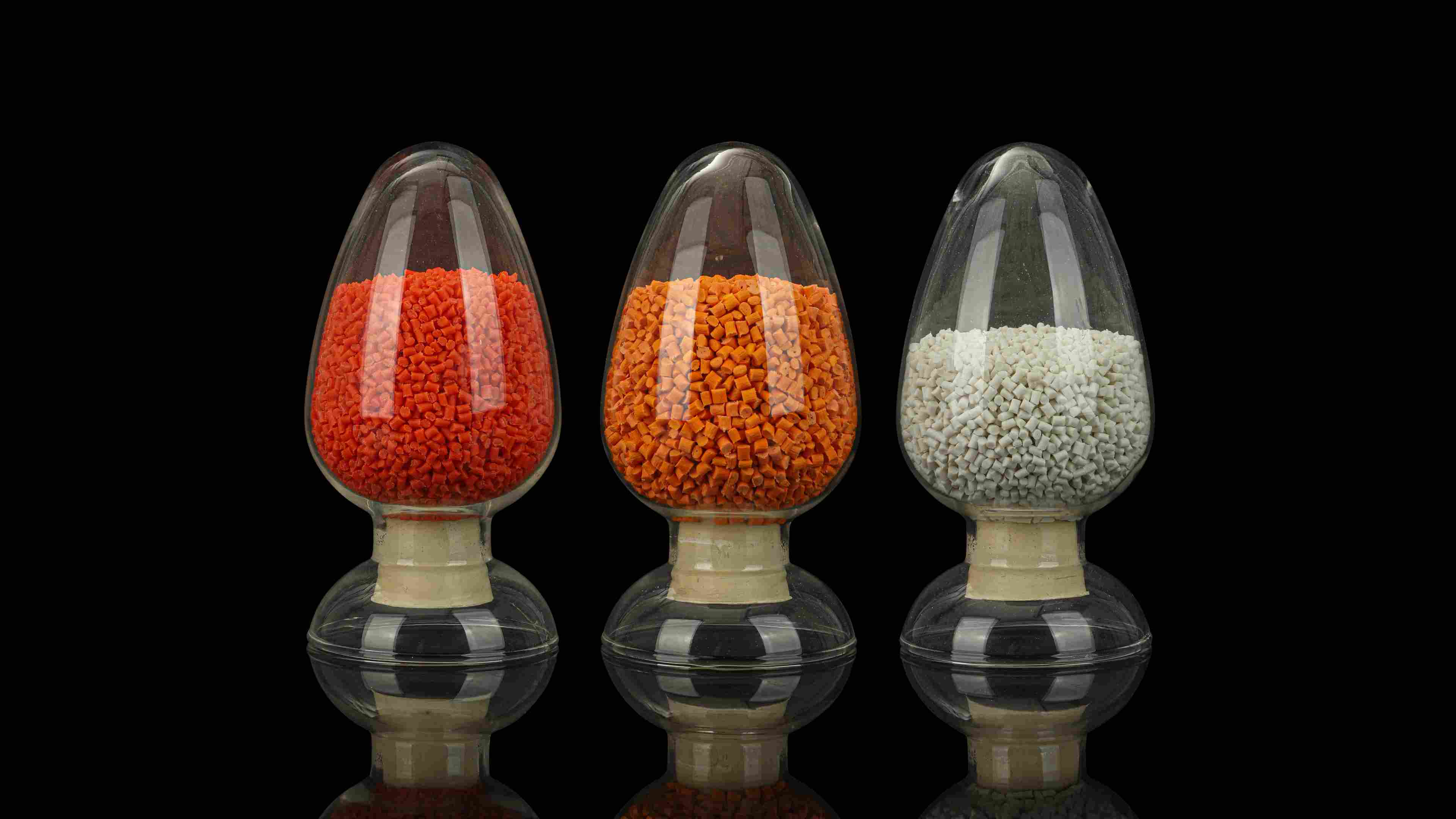
To evaluate performance differences under thermal stress, engineers must analyze the chemical architecture of both material families. Conventional Polyamide 66 consists of repeating aliphatic hexamethylene diamine and adipic acid molecular chains. This aliphatic structure provides flexible polymer chains that yield excellent mechanical toughness, high tensile strength, and efficient melt processing at moderate temperatures. However, the aliphatic backbone experiences noticeable mobility as temperatures rise toward its glass transition threshold. Unfilled or glass-reinforced PA66 exhibits a glass transition temperature Tg of approximately 60 to 70 degrees Celsius in dry conditions. When operating temperatures surpass this transition point, the polymer matrix undergoes localized softening, which gradually reduces structural stiffness under sustained loads.
In contrast, Polyphthalamide, commonly designated as PPA, belongs to the semi-aromatic polyamide family. Material scientists synthesize PPA by replacing portions of aliphatic dicarboxylic acids with aromatic terephthalic or isophthalic acid monomers. The rigid benzene rings embedded within the molecular backbone significantly restrict polymer chain movement under thermal agitation. As a result, PPA exhibits an elevated glass transition temperature Tg ranging from 125 to 135 degrees Celsius. This structural rigidity allows semi-aromatic nylons to preserve mechanical modulus and creep resistance far above the thermal thresholds of standard aliphatic polymers. Furthermore, strong intermolecular hydrogen bonding within the aromatic matrix minimizes thermal degradation during prolonged heat exposure.
Quantitative laboratory testing highlights clear performance disparities between glass-fiber-reinforced PA66 and PPA under thermal and environmental stress. Under a standard mechanical load of 1.8 megapascals, standard PA66 with 30 percent glass fiber reinforcement achieves a heat deflection temperature HDT of approximately 250 degrees Celsius. While this value seems impressive for short-term thermal spikes, continuous exposure to elevated heat tells a different story. The continuous use temperature CUT for glass-reinforced PA66 typically ranges between 130 and 150 degrees Celsius for long-term operational cycles. Beyond these temperatures, thermal oxidation slowly degrades the polymer matrix, leading to brittleness and mechanical fatigue over extended service lifetimes.
In comparison, 30 percent glass-reinforced PPA compound demonstrates an HDT reaching between 280 and 290 degrees Celsius under an identical 1.8 megapascal load. More importantly, PPA maintains a continuous use temperature CUT between 170 and 180 degrees Celsius, withstanding intermittent thermal spikes exceeding 220 degrees Celsius without structural collapse. In addition to raw temperature tolerance, chemical and hydrolytic stability play vital roles in under-hood environments. Hot automotive fluids, such as ethylene glycol coolant mixtures, synthetic engine oils, and transmission fluids, aggressively attack aliphatic polyamide chains through hydrolysis. PPA possesses a dense aromatic structure that resists chemical swelling and hydrolytic cleavage. Moreover, PPA absorbs significantly less ambient moisture than PA66, ensuring consistent dimensional tolerances and mechanical stiffness across changing humidity levels. These attributes make PPA a preferred material for critical automotive and industrial parts manufacturing components subject to hot fluid immersion.
Although PPA exhibits superior thermal and chemical capabilities, objective engineering decisions must balance performance advantages against manufacturing costs. PPA raw resin carries a higher price tag per kilogram compared to standard PA66 formulations. Additionally, processing PPA requires specialized injection molding machinery capable of maintaining barrel temperatures above 320 degrees Celsius and mold temperatures exceeding 140 degrees Celsius. Consequently, material specifiers must map components accurately into distinct thermal application zones to optimize system costs.
PPA compounds serve as the optimal technical choice for high-extreme thermal zones where component failure risks engine performance or electrical safety. Typical applications include turbocharger charge-air duct brackets, electric cooling pump impellers, high-voltage battery busbar housings, and exhaust gas recirculation sensor bodies. In these critical components, PPA replaces heavy die-cast aluminum while surviving continuous exposure to hot gases, aggressive coolants, and intense vibration. Conversely, glass-reinforced PA66 remains the most cost-effective solution for moderate-to-high thermal zones operating reliably below 150 degrees Celsius. Engine beauty covers, intake manifolds, general structural brackets, and wiring conduit clips benefit greatly from PA66 due to its lower raw material cost, broader processing window, and excellent mechanical toughness.
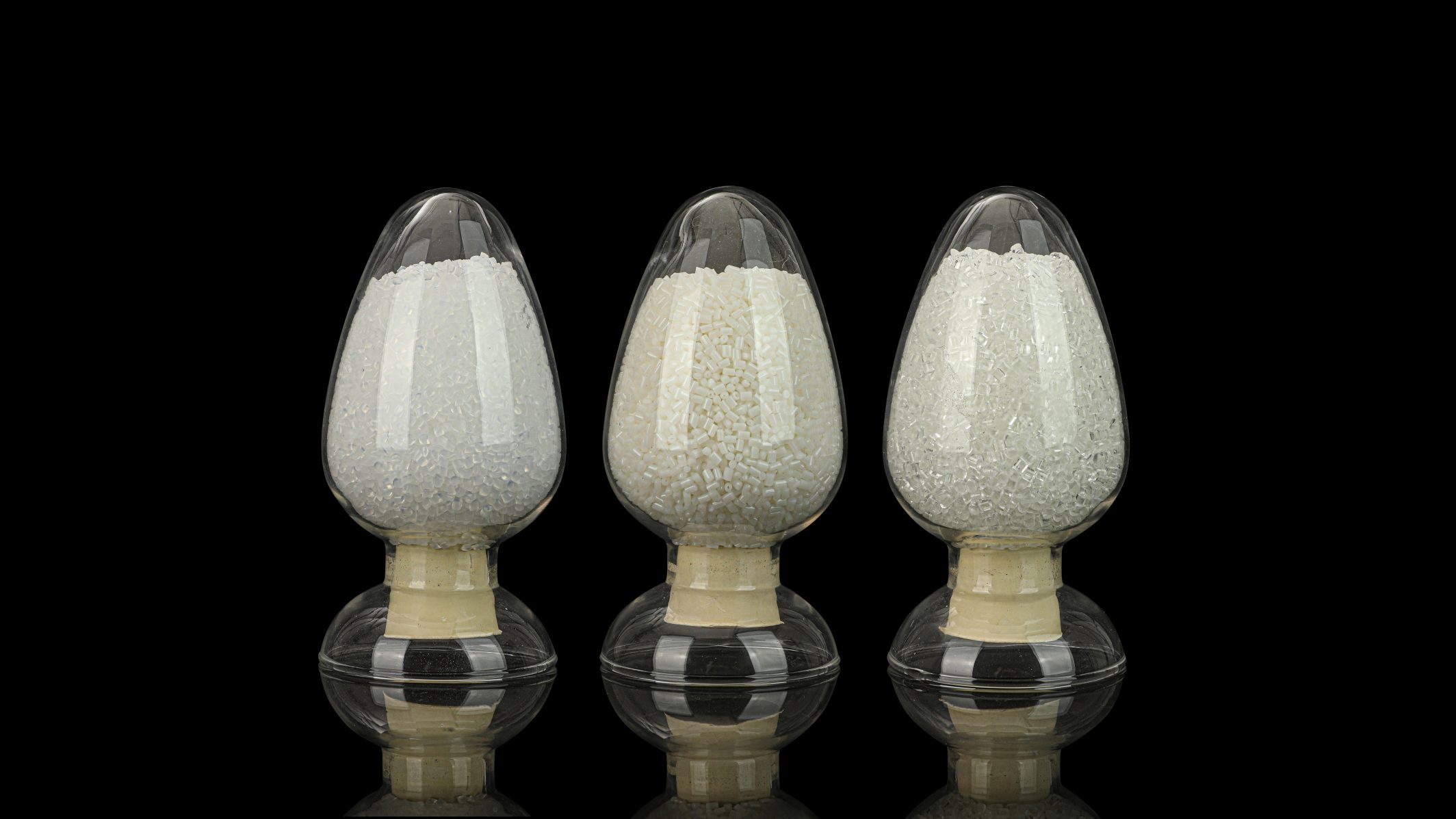
Navigating the complex selection process between PPA and PA66 requires reliable compounding expertise and consistent material quality. As a dedicated manufacturer of engineering thermoplastics, BOCHENG (Xiamen Bocheng Plastic Materials Co., Ltd) formulates advanced high-temperature polyamide series tailored for demanding automotive and industrial uses. Through precise twin-screw extrusion technology, BOCHENG integrates high-grade glass fibers, flame retardants, and thermal stabilizers into base polymer matrices.
The technical portfolio from Xiamen Bocheng Plastic Materials Co., Ltd includes specialized PPA GF30 to GF50 grades designed for extreme under-hood environments, alongside cost-optimized PA66 reinforced compounds for general structural applications. For electric vehicle power systems, BOCHENG provides halogen-free flame-retardant PPA compounds that comply with stringent UL94 V-0 safety standards while maintaining high electrical insulation at elevated temperatures. Furthermore, the technical team at BOCHENG assists Tier-1 automotive suppliers with mold shrinkage calculations, flow analysis, and processing parameter refinement to ensure seamless material substitution. By aligning advanced material chemistry with practical engineering support, BOCHENG enables automotive manufacturers to achieve optimal thermal durability, lightweight performance, and cost efficiency.
For comprehensive material datasheets, application engineering support, and product inquiries, visit the official corporate portal at https://www.pa6-pa66.com/.