
我们的公司
Analysis on Feasibility Limits of Domestic Modified Nylon in Mid & High-End Application Fields 1
最新消息和博客

Analysis on Feasibility Limits of Domestic Modified Nylon in Mid & High-End Application Fields 1

Analysis on Feasibility Limits of Domestic Modified Nylon in Mid & High-End Application Fields 1

June 06, 2026

Driven by the macroeconomic push for supply chain localization and cost reduction, procurement and engineering teams frequently propel domestic modified nylon (such as PA66 and PPA alternatives) to the forefront of validation. They attempt to achieve seamless replacement of international giant materials in high-value domains like automotive under-hood components, precision sensor housings, and high-speed SMT connectors. Judging from the initial technical data provided by suppliers, core parameters such as tensile modulus, Heat Deflection Temperature (HDT), and even notched impact strength of domestic materials often align astonishingly well with benchmarked imported grades, coupled with a highly significant cost advantage. However, when these materials actually enter the injection molding machine, are formed into solid parts with complex wall thicknesses and stress distributions, and are deployed into rigorous engineering scenarios, the true boundaries are mercilessly revealed. Parts undergo irreversible warpage after long-term temperature and humidity cycling; connectors exhibit dense blistering on the surface during the high-temperature shock of infrared reflow soldering; or automotive clips suddenly lose their original snap-fit retention and suffer brittle fracture after months of thermal vibration in the engine compartment. These frequent field failure cases profoundly demonstrate that the true bottleneck for domestic modified nylon in mid-to-high-end applications is not its "static physical performance" at the factory gate, but rather the material's sustained endurance and dimensional stability under extreme environments.

To explore the microscopic essence of this performance gap, one must extend the focus from downstream physical compounding back to the upstream chemical polymerization stage. Although domestic capabilities have achieved high maturity in physical processing technologies such as twin-screw extrusion compounding, glass fiber reinforcement, and flame-retardant modification, shortcomings persist in the synthesis of the base polyamide resin, specifically regarding the precise control of Molecular Weight Distribution (MWD) and the removal technology of low-molecular-weight oligomers. A base resin with a broader MWD might exhibit excellent flowability during injection molding, easily filling thin-walled cavities, but this compromise comes at the expense of the material's long-term toughness and fatigue resistance. In high-temperature, high-load service environments, unreacted monomers and oligomers within the resin inevitably migrate to the part's surface. This not only generates severe deposits (mold plate-out) that force frequent production line stoppages for cleaning, but it also leads to the loosening and degradation of the polymer network structure, causing structural components to become prematurely brittle. This is the fundamental reason why parts that perform excellently in standard tensile tests are highly susceptible to fatigue cracking under dynamic alternating stresses.

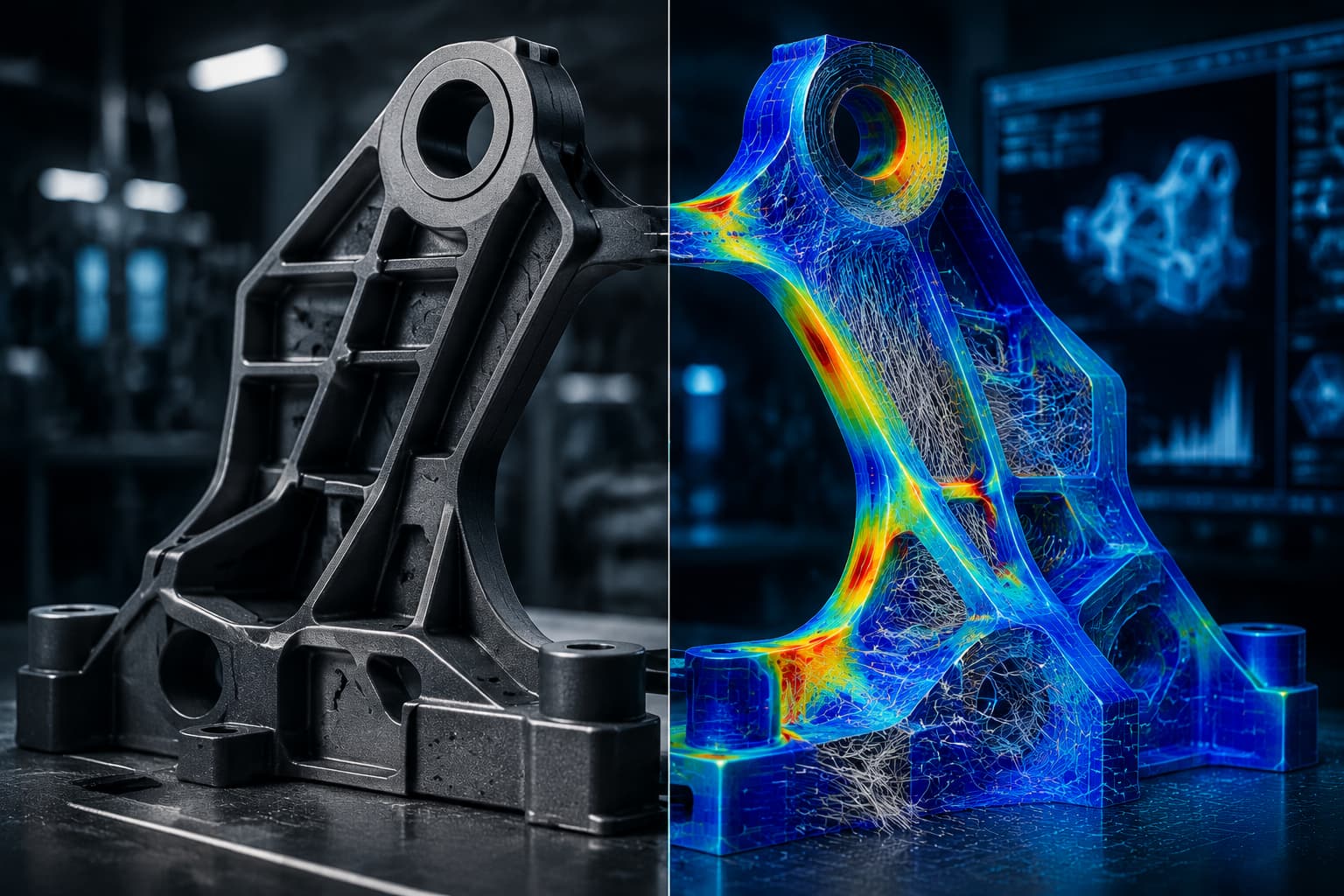
Nylon Components for Automobile Engine Compartment

留言

留言
如果您对我们的产品感兴趣并想了解更多详细信息,请在此处留言,我们会尽快回复您。
提交

产品

WhatsApp

接触